A call from an unknown number about money you owe, or might owe, is frightening. The rules, though, are on your side, and knowing them early changes how the first call goes.
What the law covers
The Fair Debt Collection Practices Act (FDCPA) makes it illegal for debt collectors to use abusive, unfair or deceptive practices. It covers consumer debts such as credit card debt, car loans, medical bills, student loans and mortgages. It does not cover business debts.
The 30-day window
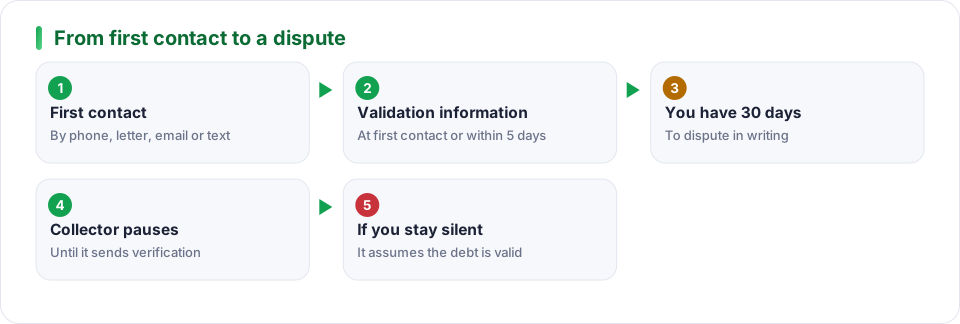
Within five days of first contact, a collector has to give you validation information: its name and mailing address, the creditor's name, how much you owe including interest, fees, payments and credits, what to do if you think it is not your debt, and your rights, including the right to information about the original creditor if you ask within 30 days.
If you do not recognise the debt, or think it is wrong, send a dispute letter within 30 days. Say you do not owe some or all of the money and ask for verification. Once the collector receives it, it must stop trying to collect until it sends you written verification, such as a copy of the original bill. Send it by certified mail with a return receipt, and keep a copy. If you do not dispute within 30 days, the collector will assume the debt is valid.
Limits on contact
- 8am-9pm
- Collectors cannot contact you outside these hours unless you agree
- 7 in 7
- The most calls in seven days, or in seven days after a call about the same debt
- 0
- Third parties who may be told that you owe a debt
Your local time
A hard cap
Spouse excepted
A collector also cannot contact you at work if you tell it you cannot get calls there, and cannot email or text you if you ask it to stop. It also cannot message you privately on social media if you ask it to stop. If you want it to stop contacting you at all, send a letter to the collection company and keep a copy. After it receives the letter, it may only confirm it will stop or tell you about a specific step such as a lawsuit. Consider speaking to the collector at least once if you do not think you owe the debt or cannot pay immediately, because that is how you find out whether it is real.
What collectors may not do
Harass
No threats of harm, obscene language, or calling more than seven times in seven days
Lie
No false amounts, no posing as a lawyer or the government, no empty threats of arrest or lawsuit
Treat you unfairly
No extra interest or fees unless the contract or a law allows them, no early deposit of a post-dated check, no postcards or envelopes that reveal the debt
Genuine or scam?
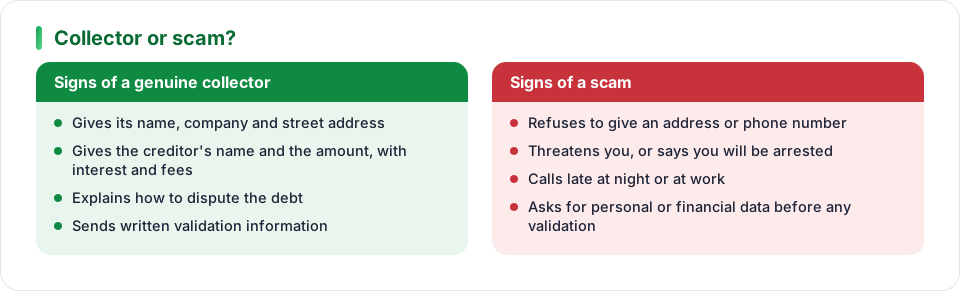
A collector can only report a debt to a credit bureau after it has talked to you about it or sent a letter or electronic message and waited a reasonable time, usually 14 days, in case it is returned undeliverable. If you have been paying a debt you do not recognise, stop and ask for validation first. If a debt is genuine but old, see how long negative marks stay on your report, and for credit errors, disputing credit report errors.
Questions people ask
Should I ignore a collector?
The CFPB says ignoring or avoiding a collector is unlikely to make it stop. If you do not recognise the debt, tell the collector in writing and ask for verification.
Can a collector discuss my debt with my family or employer?
Generally not. It may contact others to find your address, phone number and workplace, usually once, and it can never tell them you owe a debt. It may speak to your spouse.
Does the law cover business debt?
No. The FDCPA covers consumer debts such as credit cards, car loans, medical bills, student loans and mortgages, but not business debts.
Sources
Written from these pages and checked against them on October 6, 2026. Programs and rules change, so check the provider’s current terms before you decide.
General information, not financial, legal or travel advice. Your own card terms and the provider’s current rules always come first.