Every US card issuer protects itself from fast, repeated applications, and most protect their bonuses from repeat claimants. The limits are rarely printed in one place. This guide gathers the ones reviewers documented in September and October 2026 so you can check your own position before you apply, because a hard inquiry spent on a card you were never going to get is a real cost.
Two kinds of rule
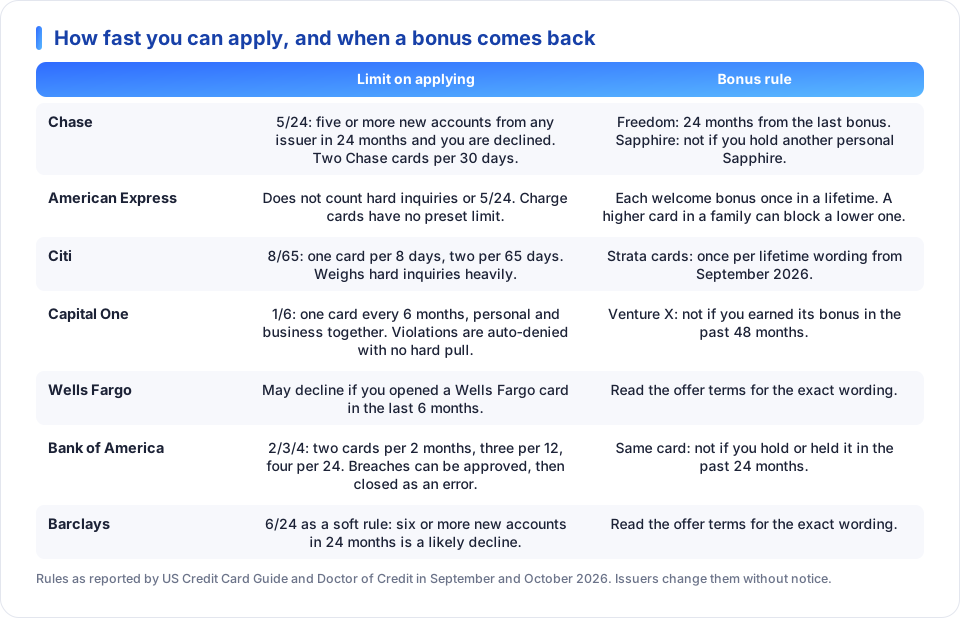
Velocity limits cap how many cards you can open in a window. They are about how many new accounts you have, whoever issued them. Bonus rules decide when you can earn the same sign-up offer again. Mixing the two up is the most common mistake: you can pass a velocity limit and still be refused a bonus.
How to count
New accounts in 24 months
Open your credit report and count every credit card account opened in the last 24 months, with any issuer. That is the number Chase's 5/24 and Barclays' 6/24 look at. The guide to reading your credit report shows where to find open dates.
Hard inquiries in 6 months
Citi and Barclays weigh recent hard inquiries heavily. Reviewers suggest fewer than three in the past six months for the Strata Premier and fewer than six for a Double Cash or Barclays card. The difference between soft and hard inquiries matters here.
Date of your last bonus
Write down the month you earned each bonus, not the month you opened or closed the card. Freedom's 24 months and Venture X's 48 months run from the bonus date.
Cards you already hold
Chase refuses a Sapphire bonus if you hold another personal Sapphire. Amex can refuse a Gold bonus if you ever held a Platinum. Check the family before you apply.
The order of operations these rules imply
- 1
Count new accounts and inquiries
- 2
Apply to the rule-limited issuer first
- 3
Space the others out
- 4
Note each bonus date
- 5
Re-check before the next card
Because Chase's 5/24 counts accounts opened anywhere, anything you open elsewhere makes a later Chase application harder, so people who want a Chase card tend to apply for it before they collect other new accounts. Amex does not look at 5/24 or the number of inquiries, so it is the easier one to leave until later. Citi and Capital One want space between applications, so one a quarter is a safer pace than one a month.
How long a credit history to have
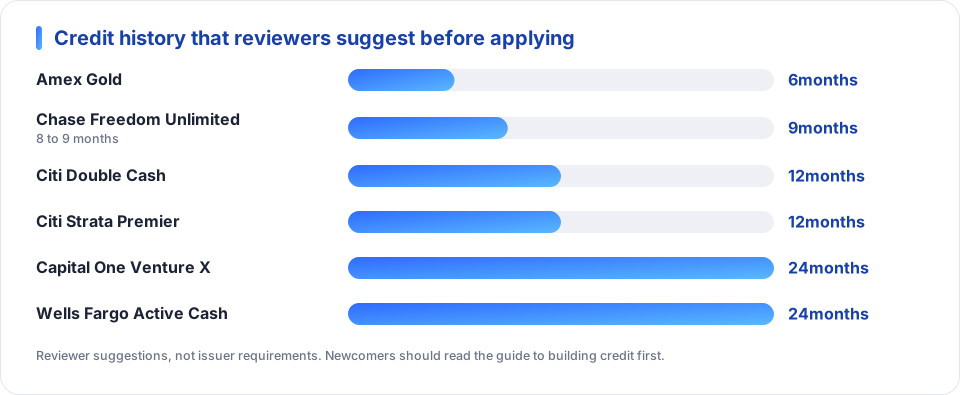
If you have less history than that, start lower in the ladder. The newcomer guide and the guide to secured cards cover the first steps, and the picks by spending style show what to move to next.
Questions people ask
Do these rules come from the issuers or from the community?
Some are printed in the offer terms, such as bonus eligibility and the Capital One Venture X 48-month wording. Others, such as 5/24 and 8/65, are patterns the community has documented and issuers rarely publish. Treat all of them as likely, not guaranteed, and always read the offer terms on the day you apply.
Does applying for a card hurt my credit score?
A hard inquiry can lower a score slightly and fades over time, and a new account lowers the average age of your accounts. The bigger effect is usually on approvals, because issuers look at how many recent accounts and inquiries you have.
Can I get around a rule?
This guide does not cover workarounds. Rules change without notice and chasing them can lead to account closures, so build a plan that works inside them.
Sources
Written from these pages and checked against them on October 6, 2026. Programs and rules change, so check the provider’s current terms before you decide.
- US Credit Card Guide (further reading): Chase Freedom Unlimited review (5/24, 2/30)
- US Credit Card Guide (further reading): Citi Strata Premier review (8/65, once per lifetime)
- US Credit Card Guide (further reading): Capital One Venture X review (1/6, 48 months)
- US Credit Card Guide (further reading): Amex Gold review (lifetime and family language)
- US Credit Card Guide (further reading): Bank of America Customized Cash review (2/3/4)
- US Credit Card Guide (further reading): Wells Fargo Active Cash review (6 months)
- US Credit Card Guide (further reading): Barclays Wyndham Earner review (6/24)
- Doctor of Credit (further reading): Credit and finance acronyms (5/24, 2/30, 8/65)
General information, not financial, legal or travel advice. Your own card terms and the provider’s current rules always come first.