An annual fee posting is the one moment an issuer asks whether you still want the card. You have three honest answers: keep it, switch it for another card from the same issuer, or close it. The trap is that the cheapest-looking answer, closing, is the only one that can cost you points. This guide sets the three side by side using the issuers' own wording as of 10 October 2026.
The three answers
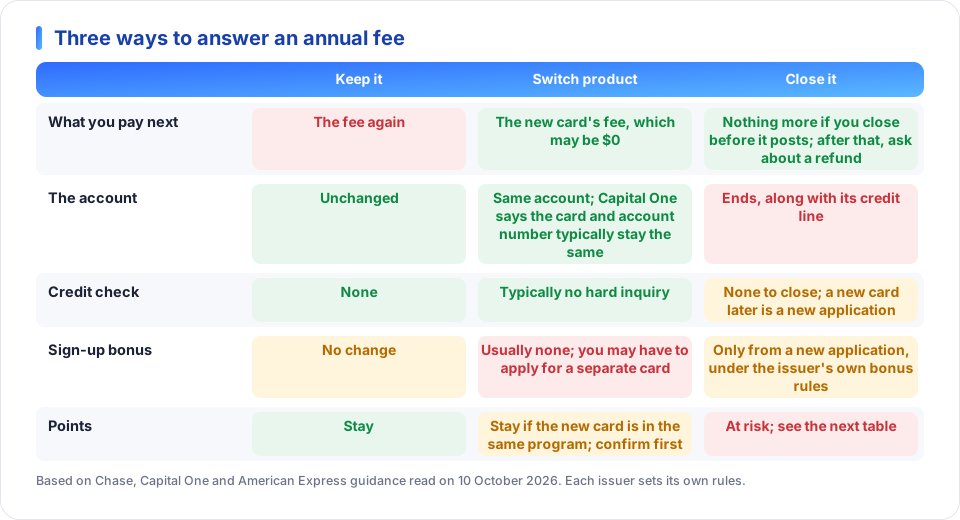
A product change, sometimes called an upgrade or downgrade, swaps one card for another from the same issuer. Capital One says the existing credit line moves to the new card, the card and account numbers typically stay the same, and it does not usually involve a hard inquiry. Chase makes the same point and adds the cautions: you can lose benefits, you may lose accumulated rewards depending on the issuer, and the new card's rates and fees may differ. Annual fees and break-even shows how to work out whether the fee is earning its keep before you start.
Protect the points before anything else
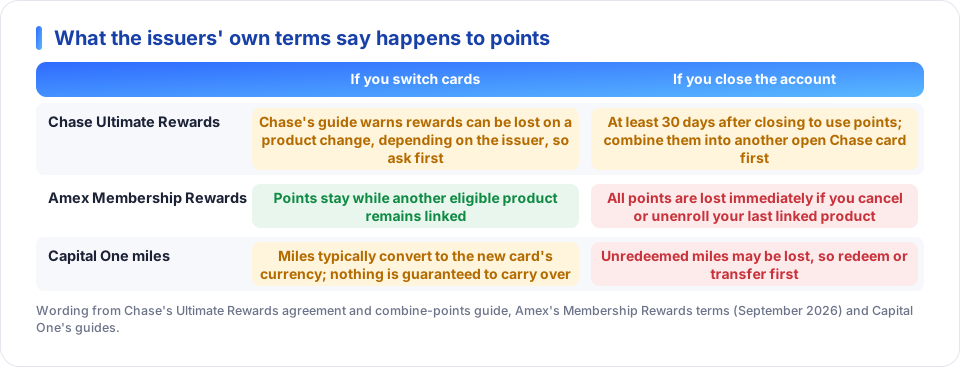
If your points are in a transferable currency, moving them to a partner is one way to take them with you, and what points are worth helps you decide whether to do so now or keep the card a little longer.
A routine for the weeks before the fee
Add up what you really used
List the credits, lounge visits, free nights and bonus categories you used in the last twelve months, and price each one. Ignore the ones you meant to use.
Price the points you would keep
Value the points you hold at what you would really redeem them for, not at the highest number you have seen quoted.
Ask what you can switch to
Sign in or call the number on the back of the card. Ask which cards you can switch to, what the new fee is, what happens to your points, and whether the old fee will be refunded or prorated.
Protect the points
Redeem or transfer them, combine them into another open card, or keep another eligible product linked, depending on the issuer.
Decide and get it in writing
Choose before the fee posts, then confirm the change, the effective date and the new fee in a secure message or an email, so it is on record.
What about retention offers
Cardholders sometimes report being offered a statement credit or bonus points when they say they are thinking of cancelling. None of the issuer pages cited here mention such offers, none promise them, and what you hear can differ from one account to the next. If you want to ask, ask before the fee posts and ask politely. If there is no offer, you still have the other two routes, which is why the decision should never depend on one appearing.
Keep it, or move on
Worth keeping
- You used credits and perks worth more than the fee in the last twelve months, at the price you would honestly pay for them.
- The card earns in a category you spend in every month, and a no-fee card would pay noticeably less.
- You hold points here that you would lose or devalue by changing the account.
Time to switch or close
- You kept the card for a sign-up bonus you have already collected.
- You are paying for travel benefits and no longer travel.
- Most of the value sits in credits you can only use by changing your habits.
Fees, benefits and terms change, so use the card page and cardmember agreement as they stand on the day you decide. The issuers named here are described only through their own published pages, and this site takes no referral fees. Bonus eligibility rules and why issuers close accounts cover the situations where the issuer, not you, makes the call.
Questions people ask
Does a product change hurt my credit score?
Capital One's guide says a product change typically involves no hard inquiry, and that your scores are unaffected if the credit limit stays the same. Chase says an issuer's review for a product change typically doesn't involve a hard credit check. Ask the issuer to confirm for your account before you agree.
Can I switch to any card from the same issuer?
No. The issuer decides. Chase notes that eligibility can depend on account standing and age, and that some issuers don't allow a product change without opening a new account and closing the old one. American Express describes an upgrade as a move within the same product line and says it can allow or deny the request based on your history.
Can a product change earn me the new card's sign-up bonus?
Usually not. Capital One's guide says issuers might not treat you as a new cardholder when you change products, so a bonus may need a separate application. Read the issuer's bonus rules before you decide which route to take.
Is it better to switch to a no-fee card or just close?
If you want to keep the account open, a switch keeps the same credit line and avoids a new application. If you do not want the account at all, closing is simpler, but protect your points first. The points table in this guide shows how each issuer treats them.
Sources
Written from these pages and checked against them on October 10, 2026. Programs and rules change, so check the provider’s current terms before you decide.
- Chase: Credit card product changes, a quick guide
- Chase: Understanding credit card downgrades
- Chase: How to combine Chase points in your household
- Chase: Sapphire Reserve with Ultimate Rewards program agreement
- American Express: How to upgrade a credit card
- American Express: Membership Rewards program terms and conditions
- Capital One: What is a credit card product change
- Capital One: How to earn and redeem Capital One miles
- #annual fee
- #product change
- #downgrade
- #upgrade
- #retention offer
- #close a card
- #points forfeiture
- #membership rewards
- #ultimate rewards
General information, not financial, legal or travel advice. Your own card terms and the provider’s current rules always come first.