US phone plans are sold in a language of acronyms. Pick the wrong one and the number might not accept your bank's text, or might not work at all where you live. This guide translates the jargon and then compares three plans reported in 2025 and 2026.
The vocabulary
- MVNO
- Mobile virtual network operator. A brand that sells plans on a network it rents from a big carrier. Tello and RedPocket are examples.
- Network type
- The radio technology used. GSMA corresponds to AT&T, GSMT to T-Mobile, and CDMA to Verizon, which is being phased out.
- Wi-Fi calling
- Making calls and sending texts over Wi-Fi instead of the cell network. Works anywhere you have Wi-Fi.
- eSIM
- A digital SIM installed by scanning a code, so you do not need to wait for a card. See eSIM explained.
- Virtual number
- A number provided by an internet-calling service, not a mobile network. Some banks reject them.
- Roaming
- Using the plan outside its home country. Often limited or billed extra.
Why a real network number matters
Tello is described as using the T-Mobile network and offering a number from a real carrier. The source contrasts this with virtual numbers such as Google Voice, which some banks and brokerages refuse. If you need a number for a bank in the US, that distinction is worth checking in the institution's help pages, not in a blog.
Three plans compared
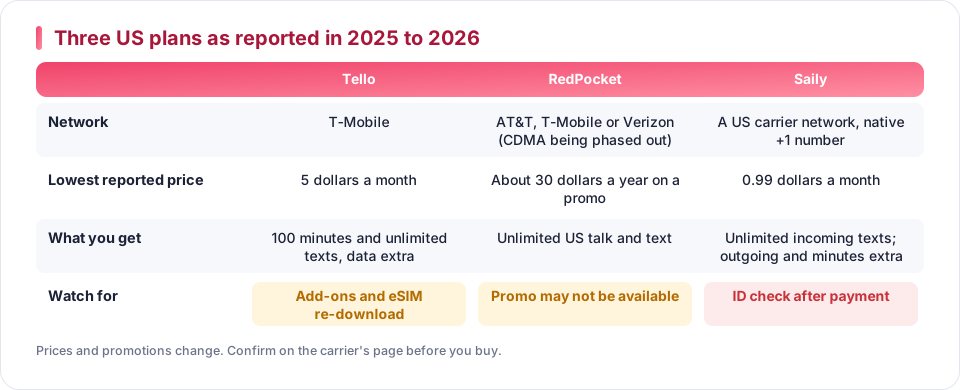
Tello
Flexible monthly plans from 5 dollars. The lowest tier has 100 minutes and unlimited texts, an unlimited-calling tier is 8 dollars and an unlimited-data tier is 25.
RedPocket
Multi-network brand founded in 2006. An annual promotion listed on eBay is about 30 dollars a year, and the AT&T-type plan includes limited global roaming data.
Saily
From the company behind NordVPN. A native US number at 0.99 dollars a month with free incoming texts while subscribed.
Using a US number from abroad
Check the phone is eSIM-ready or buy a physical SIM
Most of these plans offer eSIM delivery by email. See eSIM activation and troubleshooting.
Turn on Wi-Fi calling
In the phone's settings, enable Wi-Fi calling and, when asked, register a real emergency address.
Check roaming rules
Texts may work abroad even when calls and data do not. Test with a friend before relying on it.
Keep it paid
A lapsed plan can lose the number. See keeping a prepaid number alive.
Choosing between plans
Compare three things beyond the headline price: the price after any introductory period, which network carries the plan, and whether the plan supports Wi-Fi calling on your phone. A cheap plan on a weak network in your home area is not a bargain, and a plan without Wi-Fi calling can be useless inside a building with poor signal.
Questions people ask
What is the difference between GSMA and CDMA on RedPocket's page?
They are network types. GSMA corresponds to AT&T, GSMT to T-Mobile and CDMA to Verizon, which is being phased out. Pick the type your phone supports and that has coverage where you will be.
Do I need a US address to use a US plan?
Wi-Fi calling needs an emergency address on file. Enter a real address where you can be reached, not a placeholder, because emergency services use it.
Will a plan work if I never use it?
Only while it is paid up. Monthly plans lapse when payment stops, and prepaid balances can expire. See the keep-alive guide for the rules.
Sources
Written from these pages and checked against them on October 6, 2026. Programs and rules change, so check the provider’s current terms before you decide.
General information, not financial, legal or travel advice. Your own card terms and the provider’s current rules always come first.